A storm damage insurance claim in Prince William County typically follows six core steps: document everything before cleanup, stop further damage with emergency tarping or board-up, report the loss to your insurer promptly, get a professional restoration estimate, meet the adjuster on-site, and complete approved repairs to Virginia code. Most wind and storm claims in the county settle within two to six weeks, and emergency mitigation costs (such as a $300–$1,500 roof tarp) are almost always covered when you act fast and keep records. The single biggest factor in whether your claim is approved and paid fairly is how well you document the damage in the first 24 to 48 hours.
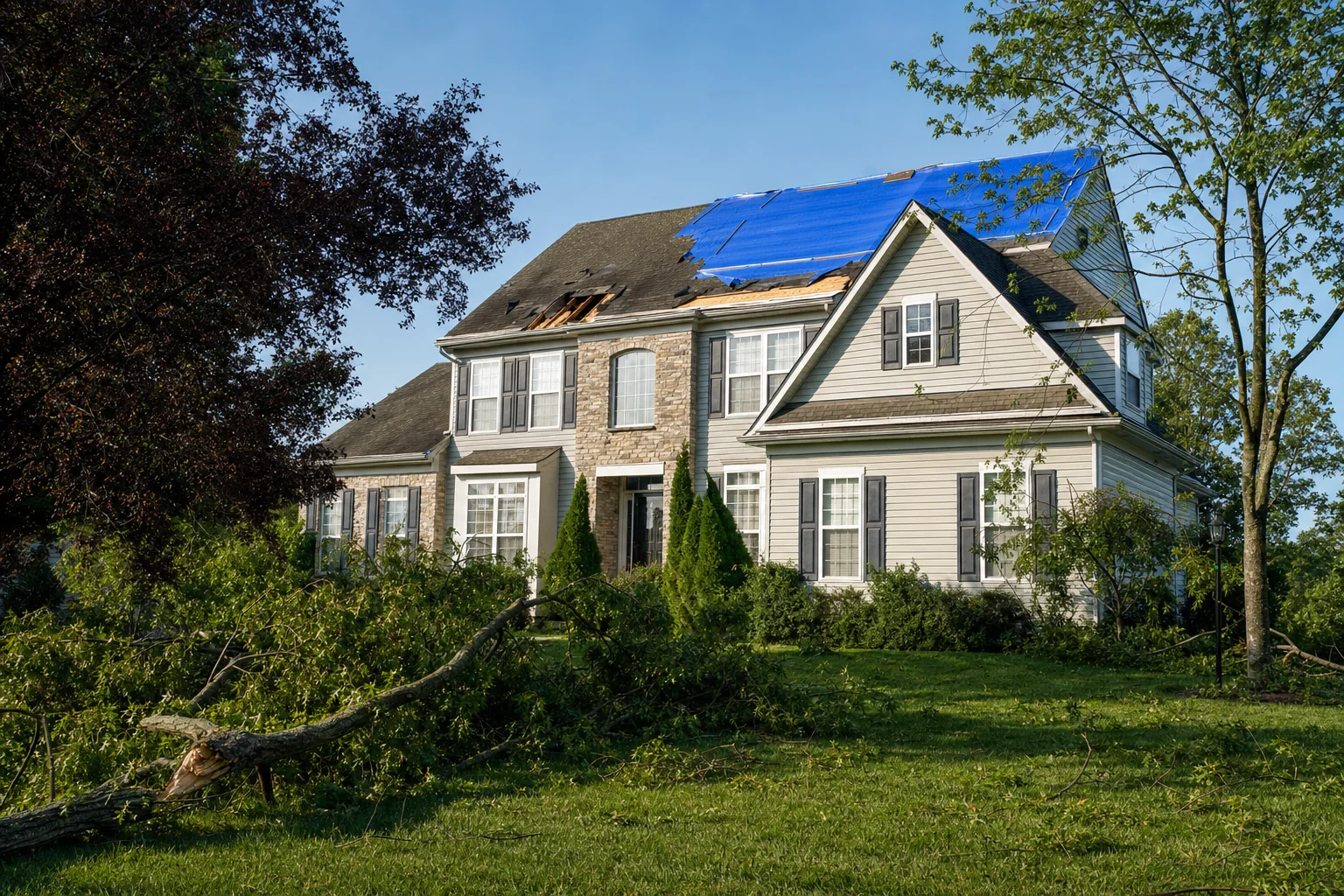
If a derecho, nor'easter, or summer microburst just tore through Bristow, Gainesville, Woodbridge, or Manassas, you are likely staring at a missing section of roof, water creeping into your attic, or a tree through the living room. This guide walks you through the entire claim process step by step, explains what Prince William County homeowners specifically need to know about local code and permits, and shows you how to avoid the mistakes that get claims underpaid or denied. AZA Restoration handles both the emergency mitigation and the insurance documentation, so you are not navigating this alone.
What Counts as Storm and Wind Damage in a Prince William County Claim?
Storm and wind damage refers to physical harm to your property caused by a covered weather event: high winds, hail, lightning, fallen trees, wind-driven rain, and the water intrusion that follows when wind breaches your building envelope. In a standard homeowners policy (an HO-3 or HO-5), these are typically named perils or open perils that are covered unless specifically excluded.
Prince William County sees a predictable but punishing mix of severe weather. Summer brings fast-moving thunderstorm complexes and the occasional derecho, like the 2012 event that knocked out power across Northern Virginia for days. Late summer and fall bring the remnants of tropical systems funneling up the Potomac and Occoquan watersheds, dumping heavy rain on already-saturated ground. Winter delivers ice loading and nor'easters. Each of these can produce a different damage signature, and your claim needs to describe the right one.
Common Covered Storm Damage
- Wind-lifted or missing shingles and exposed underlayment, which lead to roof leaks.
- Fallen trees and large limbs striking the roof, siding, fences, or detached structures.
- Wind-driven rain entering through a wind-created opening (a broken window, lifted flashing, or torn-off ridge cap).
- Hail impact bruising shingles, denting gutters, and cracking skylights.
- Water damage to ceilings, drywall, insulation, and flooring caused by any of the above.
What Insurers Often Dispute or Exclude
Knowing the gray areas in advance protects your claim. Standard homeowners policies generally exclude flooding — rising surface water and storm surge — which requires separate flood insurance through the National Flood Insurance Program (NFIP) or a private flood policy. This distinction matters enormously in low-lying parts of the county near the Occoquan, Bull Run, and Neabsco Creek. If wind tears off your roof and rain pours in, that is wind damage (covered). If a creek overflows and water rises into your first floor, that is flood (not covered under a standard policy). Insurers also commonly cite lack of maintenance, pre-existing wear, and gradual leaks as grounds to reduce or deny payment, which is exactly why dated documentation and a professional assessment matter. For the full scope of what restoration is involved after a windstorm, see our overview of storm and wind damage restoration services.
The 6-Step Storm Damage Insurance Claim Process
Here is the exact sequence we coach Prince William County homeowners through. Following it in order is what separates a smooth, fully paid claim from a drawn-out fight.
- Ensure safety, then document everything. Before you move a single branch, photograph and video the damage from multiple angles — wide shots showing the whole structure and close-ups of specific damage. Capture interior water stains, the date, and any standing water. If it is safe, photograph the roof from the ground with zoom rather than climbing up. This evidence is the backbone of your claim.
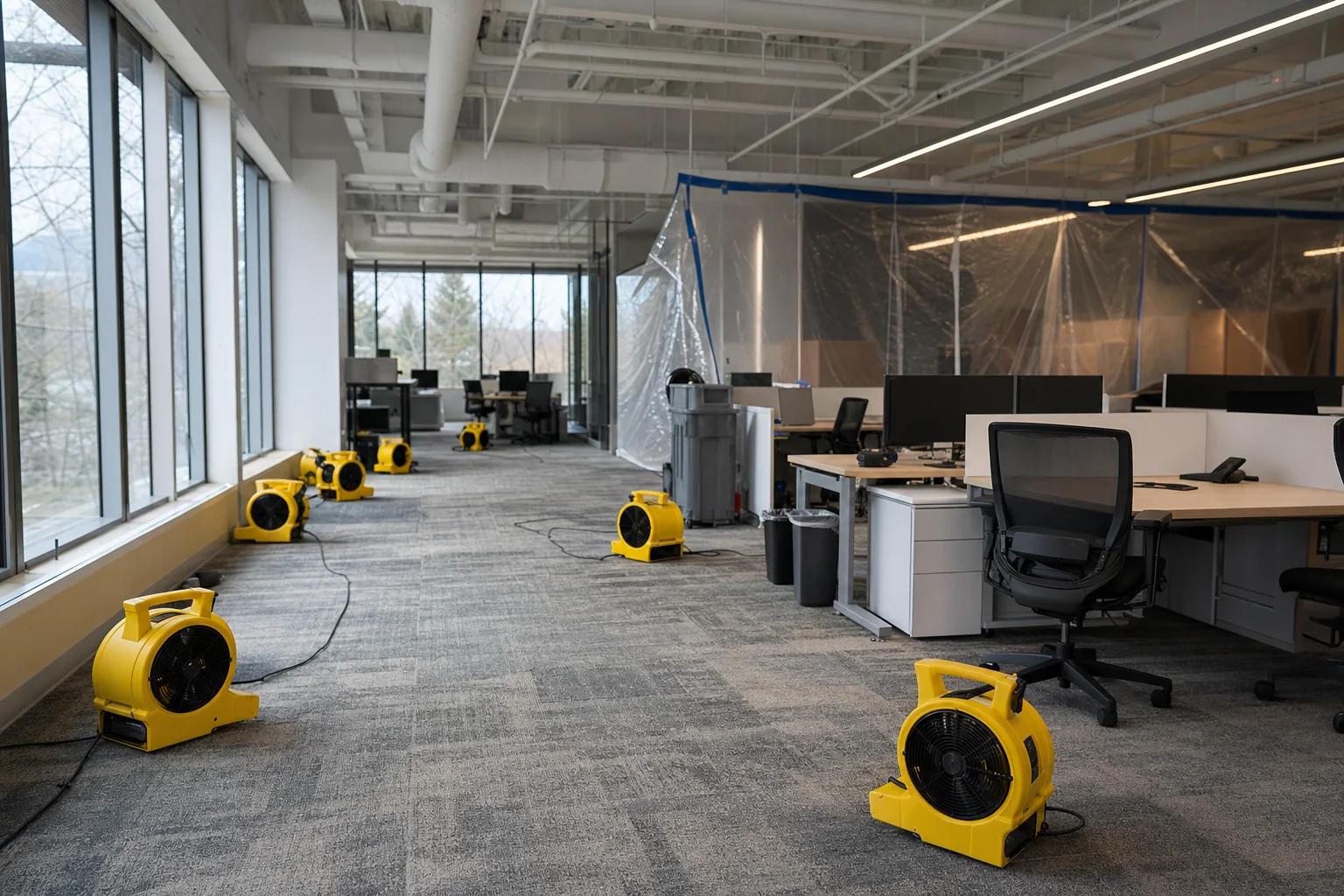
- Stop the bleeding with emergency mitigation. Your policy requires you to take "reasonable steps" to prevent further damage. That means tarping the roof, boarding up broken windows, and extracting standing water. Keep every receipt — these mitigation costs are reimbursable. AZA Restoration provides 24/7 emergency tarp and board-up across the county with a guaranteed 90-minute arrival.
- Report the claim promptly. Call your insurer's claims line and get a claim number. Report the date of loss, a brief description, and the emergency steps you have taken. Do not speculate about cause or dollar amounts on this first call — stick to facts.
- Get an independent professional estimate. Have a licensed restoration contractor document the full scope and provide a written estimate. This gives you a benchmark to compare against the adjuster's figure and ensures hidden damage (wet insulation, compromised decking, mold risk) is captured.
- Meet the adjuster on-site. When the insurance adjuster visits, have your contractor present if possible. Walk through every item of damage together. The adjuster writes the scope of loss that drives your payout, so it pays to have an expert confirming nothing is missed.
- Complete repairs to code and finalize the claim. Once the scope is agreed, repairs proceed. Structural rebuilds in Prince William County must meet the Virginia Uniform Statewide Building Code and may require permits. Keep all final invoices to recover any held-back depreciation (the "recoverable depreciation" on a replacement-cost policy).
Our team manages steps 2 through 6 on your behalf. Learn more about how we coordinate documentation, estimating, and direct billing on our insurance claims assistance page.
What Does Storm Damage Repair Cost in Northern Virginia?
Costs vary widely with the severity of the event and the size of your home, but the table below reflects typical market ranges for Prince William County and the surrounding Northern Virginia area. These are framed as ranges, not quotes — every property is different, and your out-of-pocket cost depends on your deductible and coverage.
AZA Restoration answers 24/7 with a guaranteed 90-minute on-site response across Fairfax, Loudoun, Prince William, Stafford, Fauquier, and Arlington counties — plus Alexandria, Falls Church, Herndon, Manassas, and Manassas Park. We bill your insurance directly.
Call (571) 506-6668| Service | Typical Market Range | Typical Timeline |
|---|---|---|
| Emergency roof tarp / board-up (mitigation) | $300 – $1,500 | Same day (90-min arrival) |
| Full storm repairs (roof, siding, interior) | $2,500 – $20,000+ | Days to weeks |
| Water damage from roof breach (localized) | $1,200 – $5,500 | 3 – 5 days structural drying |
| Water damage (major / multi-room) | $8,000 – $25,000+ | Up to 1 – 2 weeks |
| Mold remediation (if leak went undetected) | $500 – $6,000 | 1 – 5 days |
| Major structural reconstruction | $10,000 – $100,000+ | Several weeks |
A key reassurance: when you carry replacement-cost coverage and your claim is approved, the insurer pays the cost to restore your home to its pre-loss condition, less your deductible. Your real out-of-pocket number is usually your deductible — often $1,000 to $2,500, or a percentage-based wind/hail deductible on some policies. The percentage-based deductible is worth checking now, before a storm, because a 2% deductible on a $600,000 home is $12,000.
Storm damage right now? Do not wait for it to spread. Call AZA Restoration at (571) 506-6668 for 24/7 emergency tarping and water extraction across Prince William County. We arrive in 90 minutes, document everything for your insurer, and bill your insurance directly.
Repair or Replace? Making the Right Call After Wind Damage
One of the first questions homeowners ask is whether a damaged roof or wall should be repaired or fully replaced. The answer drives both the cost and the insurance conversation, and getting it wrong can leave you with a patchwork roof that fails again in the next storm.
When a Repair Makes Sense
- Damage is localized to a small area (a few missing shingles or one impacted slope).
- The roof or siding is relatively new and otherwise in good condition.
- Matching materials are readily available so the repair blends in.
When Replacement Is the Smarter Investment
- Damage covers a large percentage of the roof or multiple slopes.
- The roof is near the end of its service life, so a partial repair only delays the inevitable.
- Discontinued shingles or siding cannot be matched, leaving a visible patchwork that can also reduce resale value.
- Underlying decking or structural framing is compromised by water.
Here is a Virginia-specific wrinkle worth knowing: when wind-damaged shingles cannot be reasonably matched to undamaged ones, many policies and the principle of restoring "uniform appearance" support replacing the full slope or roof rather than spot-patching. A knowledgeable restoration contractor documents this matching issue so the adjuster accounts for it. The same logic applies to siding. The goal is always to return your home to its pre-loss condition, not to a visibly mismatched compromise.
Prince William County Permits and the Virginia Building Code
Whether your storm repair needs a permit depends on the scope of work, and this trips up many homeowners. Under the Virginia Uniform Statewide Building Code (USBC), like-for-like surface repairs and structural drying are usually exempt, but anything structural, electrical, or plumbing generally requires a permit.
In Prince William County, building permits are issued by the county's Department of Development Services (the building development division), and the incorporated cities of Manassas and Manassas Park run their own permit offices for properties within their limits. Here is the practical breakdown:
- Usually permit-exempt: replacing a limited number of shingles, drying out wet drywall, repainting, swapping like-for-like fixtures, and minor cosmetic patching.
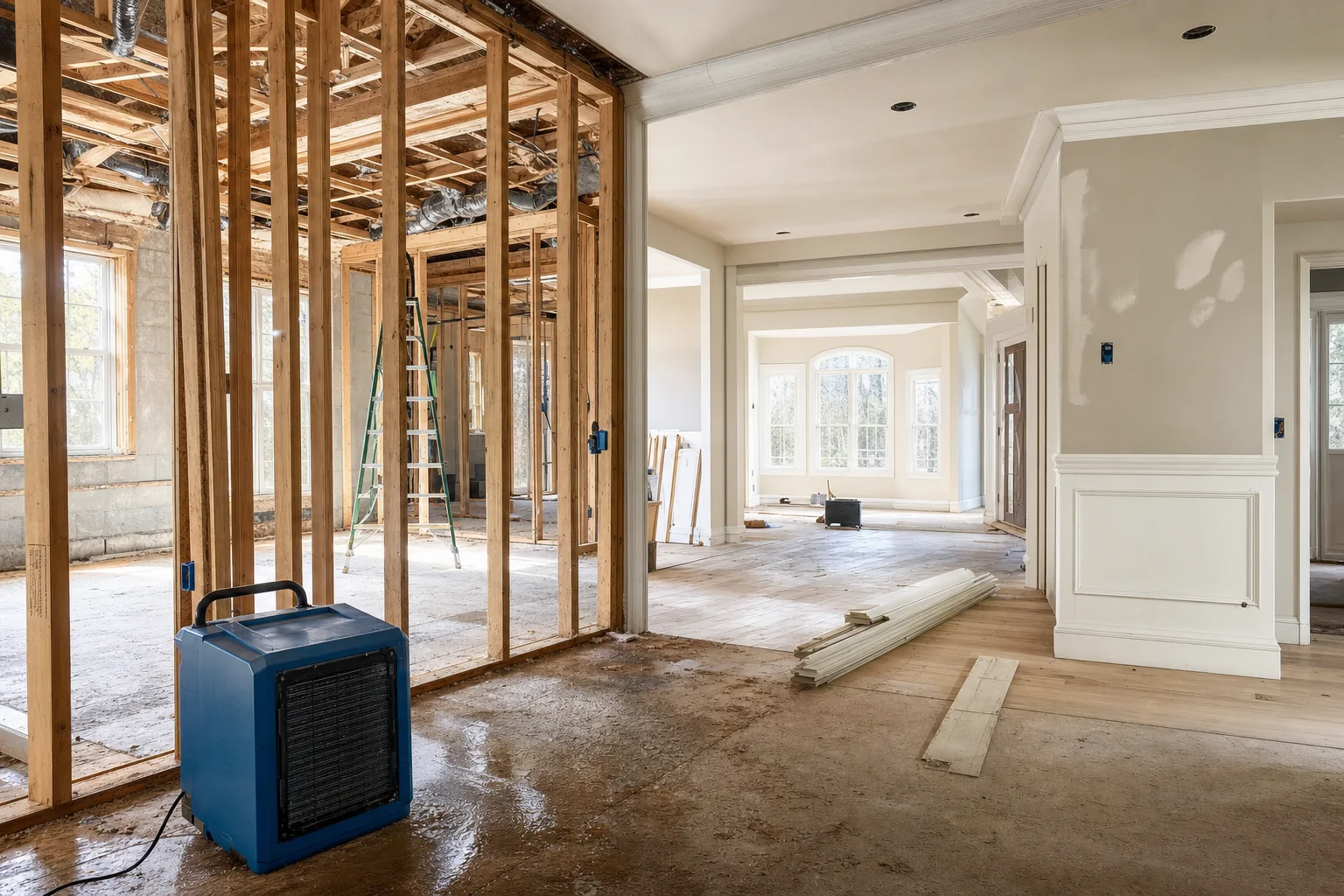
- Usually requires a permit: structural framing repairs after a tree strike, full roof replacement in many jurisdictions, rewiring after a lightning strike, replacing a section of load-bearing wall, and any reconstruction that alters the structure.
Building to code is not optional, and it protects you twice: it keeps your repair legal and insurable, and it ensures the work will hold up in the next storm. As a Class A licensed restoration and general contractor, AZA Restoration pulls the required permits and builds to current USBC standards, so you never have to guess. If you are confirming we cover your town, see our Prince William County service area page for the full list of communities we serve, from Dale City and Lake Ridge to Haymarket and Nokesville.
How to Document Your Claim So It Doesn't Get Underpaid
Most underpaid storm claims fail not because the damage was not real, but because it was not documented well enough to prove. Adjusters work from evidence. Give them an airtight record and the claim moves quickly; give them gaps and they fill those gaps with the lowest defensible number.
Your Documentation Checklist
- Photograph before you touch anything. Wide and close, interior and exterior, with timestamps if your phone allows.
- Record the weather event. Note the date, time, and type of storm. National Weather Service records can corroborate that a damaging wind or hail event occurred in your area.
- Keep a damage inventory. List affected rooms, building components, and personal property (contents). Note brand, age, and approximate value of damaged items.
- Save every receipt and invoice. Emergency tarps, temporary lodging if your home is uninhabitable, and all repair costs.
- Get a written professional scope. A licensed contractor's line-item estimate is your strongest counterweight to a low adjuster figure.
- Log all communication. Keep a simple record of who you spoke with, when, and what was agreed — claim numbers, adjuster names, and dates.
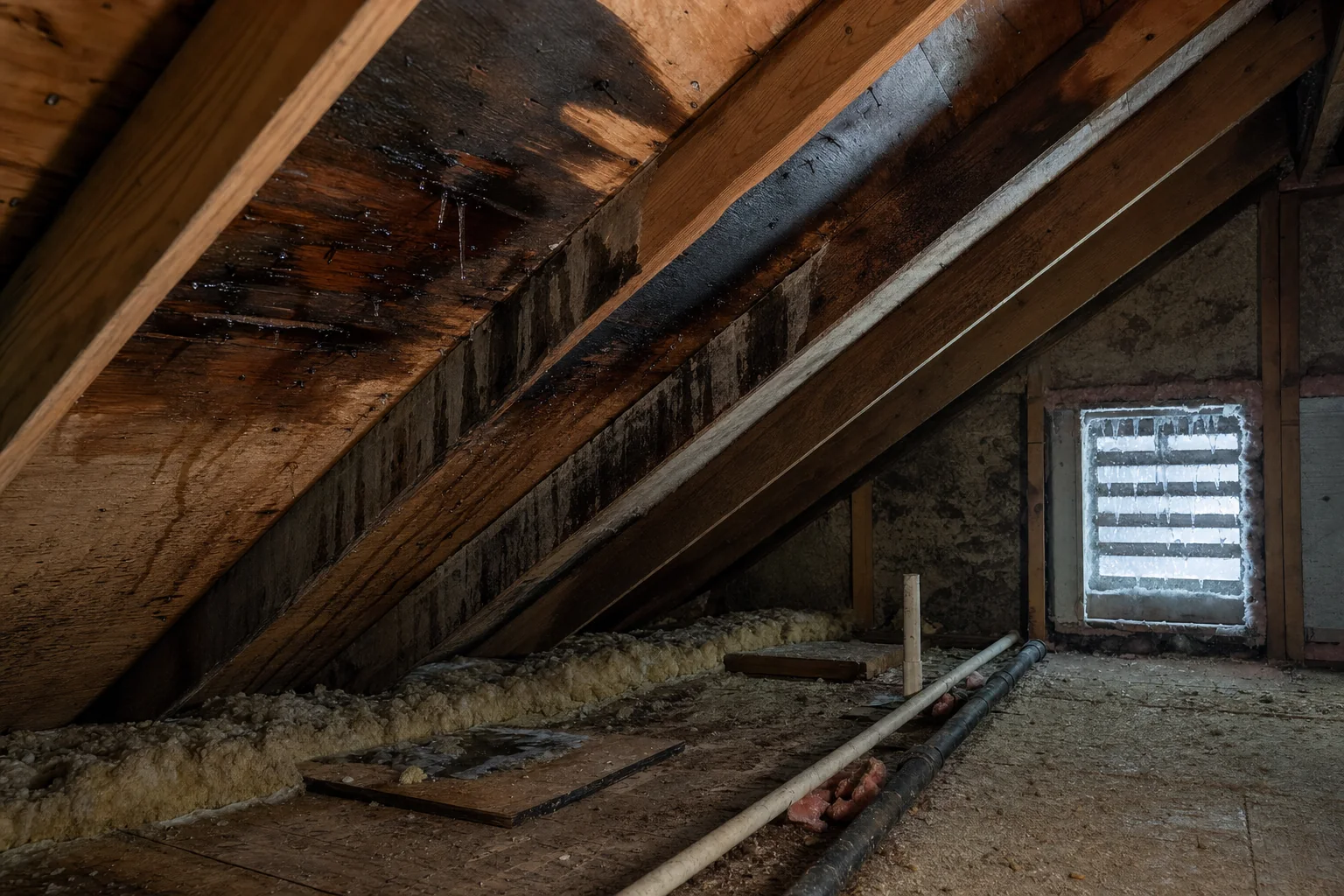
Hidden damage is where claims most often fall short. Wind that lifts shingles also drives water into decking and insulation, where it can fester into mold within 24 to 48 hours. A roof breach over a finished attic can soak ceilings two floors down. Our specialists use moisture meters and trained inspection to find this concealed damage and get it into the scope before it becomes a costly surprise — and before the adjuster closes the file.
Why a Restoration Contractor Strengthens Your Insurance Claim
You are not required to use a contractor recommended by your insurer, and you have the right to choose your own. A dedicated restoration company works for you, not the insurance company, and that alignment matters when the scope of your payout is being decided.
A capable restoration contractor brings several advantages to your storm damage insurance claim:
- Speed of mitigation. The faster the property is dried and protected, the smaller the eventual claim — and the lower the risk of a "failure to mitigate" dispute.
- Accurate, code-compliant scoping. Estimates account for everything from decking to drywall to permits, using the same line-item software adjusters rely on.
- Direct insurance billing. AZA Restoration bills your insurer directly, so you are not floating thousands of dollars while the claim processes.
- One accountable team for the full rebuild. From the first tarp to the final coat of paint, "One call rebuilds it all" — no juggling separate roofers, drywall crews, and painters.
For a real example of how this plays out, our Prince William County storm roof damage case study walks through the documentation, mitigation, and reconstruction of a wind-damaged home, including how thorough scoping protected the homeowner's claim.
Storm Damage Claim Timeline: What to Expect Week by Week
While every claim is unique, most Prince William County wind and storm claims follow a recognizable arc once you engage promptly.
- Hours 0–2: Emergency call placed; restoration crew arrives within 90 minutes to tarp, board up, and extract water.
- Day 1–2: Damage fully documented; claim reported to insurer; structural drying begins.
- Day 2–5: Professional written estimate completed; structural drying continues and is verified with moisture readings.
- Week 1–2: Adjuster inspection; scope of loss agreed; any required permits applied for.
- Week 2–6+: Approved repairs and reconstruction completed to USBC code; final invoices submitted; recoverable depreciation released.
Acting within the first 24 to 48 hours is the throttle on this entire timeline. Delay invites secondary damage like mold and warped framing, both of which complicate the claim and extend the repair.
Frequently Asked Questions
Does homeowners insurance cover storm and wind damage in Virginia?
Yes. Standard Virginia homeowners policies (HO-3 and HO-5) typically cover wind and storm damage, including wind-lifted shingles, fallen-tree impacts, and the water intrusion that results when wind breaches your roof or windows. The main exclusion is flooding — rising surface water or storm surge — which requires separate flood insurance. Some policies also carry a separate, often percentage-based, wind or hail deductible, so it is worth reviewing your declarations page before storm season.
How long do I have to file a storm damage insurance claim?
Most policies require you to report a loss "promptly" or within a reasonable time, and many practitioners advise filing within 30 to 60 days, though sooner is always better. Virginia law allows a longer window to actually pursue the claim, but waiting weakens your case because the insurer can argue that delayed reporting allowed damage to worsen. Report the loss as soon as it is safe to do so, even before you have a full repair estimate.
Will filing a wind damage claim raise my insurance premium?
A single weather-related claim, especially one tied to a widespread regional storm event, is generally treated differently from an at-fault or repeated claim and may have a smaller effect on your premium. That said, rate impacts depend on your insurer, your claims history, and the size of the loss. For significant storm damage, the value of restoring your home properly usually far outweighs the concern over a modest premium change. Discuss specifics with your agent.
Do I need a permit to repair storm damage in Prince William County?
It depends on the scope. Under the Virginia Uniform Statewide Building Code, like-for-like surface repairs and structural drying are usually exempt, while structural framing repairs, electrical rewiring, plumbing changes, and many full roof replacements require a permit from Prince William County's building development office (or from Manassas or Manassas Park if your property is within those cities). AZA Restoration is a Class A licensed contractor and pulls all required permits as part of the rebuild.
Can I choose my own restoration contractor, or must I use the insurer's?
You have the right to choose your own contractor. Insurers may suggest companies from a preferred network, but you are never obligated to use them. Hiring an independent restoration contractor like AZA Restoration means the team documenting your damage and scoping your repair is working for you, which helps ensure nothing is overlooked and the work is completed to code.
What should I do in the first hour after storm damage?
First, ensure everyone is safe and avoid downed power lines or unstable structures. Then photograph and video all visible damage before moving anything. Take reasonable steps to prevent further damage — call for emergency tarping or board-up and move valuables away from water intrusion. Finally, contact your insurer to start the claim. Calling a 24/7 restoration company like AZA Restoration at the same time gets professional mitigation moving immediately, which protects both your home and your claim.
One storm. One call. One team to rebuild it all. AZA Restoration handles your Prince William County storm and wind damage from the first emergency tarp through full reconstruction — and we bill your insurance directly so you are not out of pocket. Call (571) 506-6668 now for 24/7 emergency response with guaranteed 90-minute on-site arrival across Northern Virginia. AZA Builds, LLC dba AZA Restoration, 14100 Sullyfield Cir, Suite 300, Chantilly, VA 20151.