Fire damage restoration in Northern Virginia typically costs between $3,000 for soot and smoke cleanup on a small, contained loss and $50,000 or more for a fire that requires full reconstruction. Most homeowners fall somewhere in the middle: a contained kitchen or bedroom fire with moderate smoke spread commonly lands in the $10,000 to $30,000 range once cleanup, deodorization, and rebuild work are combined. The final number depends on how far the smoke traveled, whether structural framing or electrical and plumbing systems were damaged, and how much of the home needs to be rebuilt to code. Because fire losses almost always pair flame damage with smoke, soot, and water from firefighting efforts, the true cost is rarely just the burned room itself.
This guide breaks down what fire damage restoration actually costs in Fairfax, Loudoun, Prince William, Stafford, Fauquier, and Arlington counties in 2026, how insurance billing works, what drives the price up or down, and where local building codes add steps a homeowner should expect. The goal is to give you realistic market ranges so you can read an estimate with confidence rather than be surprised by it.
What is the average fire damage restoration cost in Northern Virginia?
Fire damage restoration is rarely a single line item. It is a sequence of phases, each with its own pricing, and a fire loss typically triggers several of them at once. Below are the typical market ranges we see across Northern Virginia in 2026. These are ranges, not quotes; your home's specific conditions determine where you land.
| Phase of work | Typical market range | Typical timeline |
|---|---|---|
| Emergency board-up & tarping | $300 - $1,500 | Same day |
| Soot & smoke cleanup (contained loss) | From ~$3,000 | 2 - 5 days |
| Smoke odor removal & deodorization | $2,000 - $15,000 | 2 - 7 days |
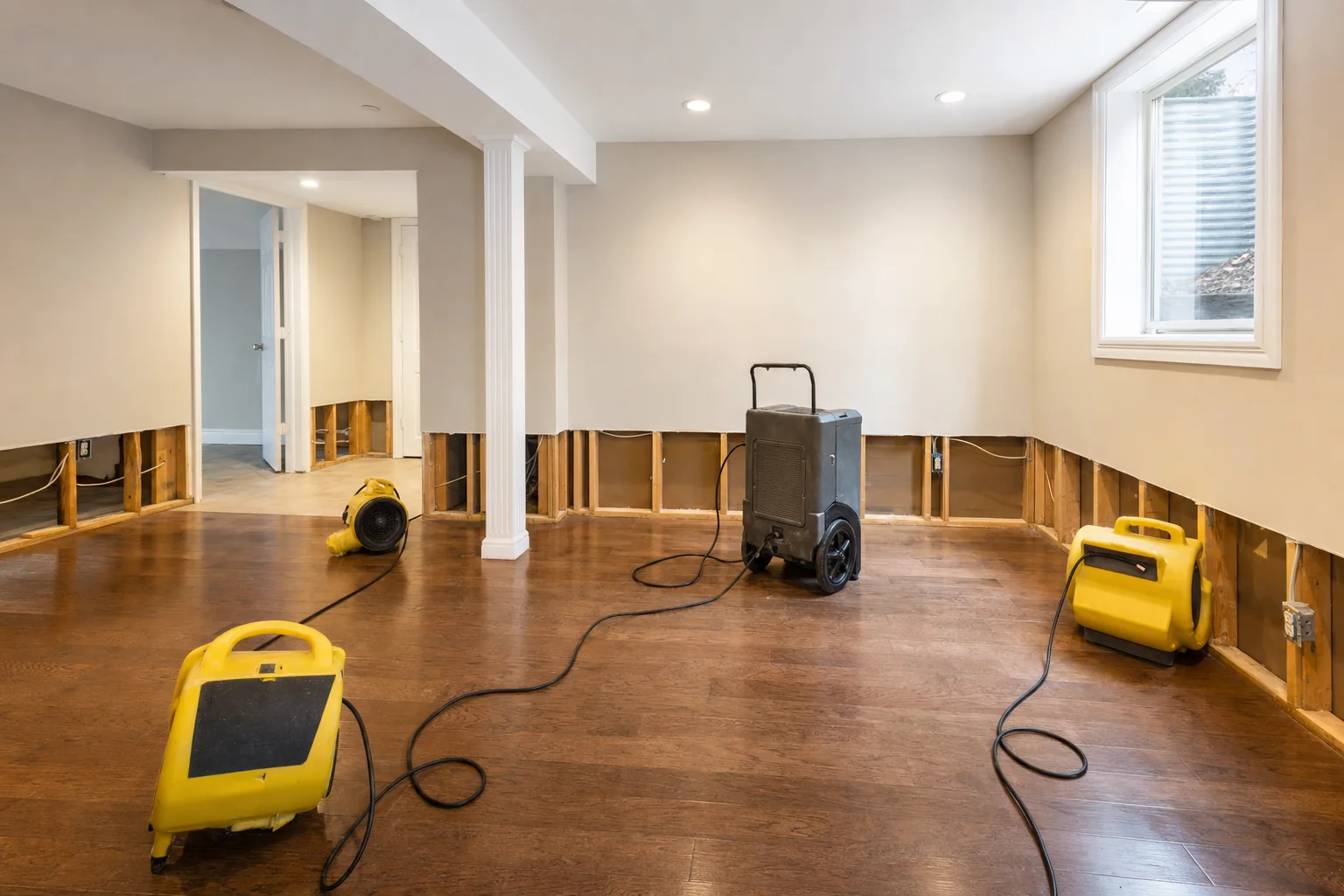
| Water extraction & structural drying (firefighting water) | $1,200 - $5,500 | 3 - 5 days |
| Contents pack-out, cleaning & storage | $2,000 - $15,000+ | Varies with volume |
| Reconstruction (single room to major rebuild) | ~$10,000 to $100,000+ | Weeks to months |
| Full fire loss (cleanup + rebuild combined) | Up to $50,000+ | Weeks to months |
The single biggest reason fire costs vary so widely is that smoke and soot do not respect the boundaries of the burned room. A fire that lasted only a few minutes in a kitchen can push acidic smoke residue through HVAC ductwork into bedrooms two floors away. That is why two homes with visually identical burn damage can produce estimates that differ by tens of thousands of dollars.
What does the fire damage restoration process actually involve?
Understanding the workflow helps you understand the cost. Each step represents labor, equipment, and materials that show up on an estimate. A typical residential fire restoration follows this sequence:
- Emergency response and safety assessment. Crews secure the structure, confirm utilities are safely shut off, and identify hazards like compromised framing or electrical risk. AZA Restoration guarantees a 90-minute on-site arrival across Northern Virginia for this first phase.
- Board-up and tarping. Broken windows, burned-out doors, and roof openings are sealed to prevent weather intrusion, theft, and further loss.
- Water removal and drying. Firefighting water is extracted and the structure is dried to industry restoration standards, because trapped moisture left after a fire becomes a mold problem within days.
- Soot and smoke residue cleanup. Surfaces, framing, and salvageable materials are cleaned using methods matched to the residue type (dry, wet, protein, or fuel-oil based).
- Deodorization. Odor molecules are neutralized at the source using thermal fogging, hydroxyl or ozone treatment, and sealing rather than masked with fragrance.
- Contents handling. Salvageable belongings are inventoried, cleaned, and either stored off-site or cleaned in place; unsalvageable items are documented for the insurance claim.
- Reconstruction. Damaged drywall, framing, flooring, cabinetry, and finishes are rebuilt to current code, with permits pulled where the work requires them.
Our detailed walkthrough of the fire damage restoration process explains how these phases overlap and where the schedule can compress or stretch. The order matters: skipping drying before reconstruction, for example, seals moisture into walls and guarantees a second, costlier repair later.
Why does smoke and soot damage cost so much to clean?
Smoke damage is frequently the most underestimated line on a fire estimate. Homeowners see a burned room and assume the cost is contained to that space. In reality, smoke is a gas-and-particle event that infiltrates porous materials, settles into cavities, and corrodes metals. The cost of addressing it depends heavily on the type of smoke produced.
AZA Restoration answers 24/7 with a guaranteed 90-minute on-site response across Fairfax, Loudoun, Prince William, Stafford, Fauquier, and Arlington counties — plus Alexandria, Falls Church, Herndon, Manassas, and Manassas Park. We bill your insurance directly.
Call (571) 506-6668Smoke residue types and why they matter
- Dry smoke from fast, high-temperature fires produces a powdery residue that is comparatively easier to clean but spreads into tight cracks and cavities.
- Wet smoke from slow, smoldering, low-heat fires leaves a sticky, thick, strong-smelling film that smears when wiped and demands far more labor.
- Protein residue from kitchen and cooking fires is nearly invisible but carries an intense odor and discolors paint and varnish over time.
- Fuel-oil soot from furnace puff-backs deposits greasy black residue across large areas in a single event.
Each residue type calls for different cleaning agents, dwell times, and labor hours, which is why a thorough estimate identifies the residue before pricing the work. Acidic soot also continues to etch glass, corrode electronics, and tarnish metal fixtures every day it sits, so delay directly raises the final bill. Our smoke damage restoration service focuses on removing odor at the source, including the ductwork and wall cavities where smell hides long after surfaces look clean.
The hidden cost: HVAC and duct contamination
Northern Virginia homes rely on forced-air heating and cooling for much of the year, and during a fire those systems pull smoke through the entire duct network. If the HVAC system ran during or shortly after the fire, soot coats the interior of ducts, the coil, and the blower. Cleaning or replacing contaminated ductwork is a common added line item, and ignoring it means the home will smell of smoke every time the system cycles on. Budget for HVAC evaluation as part of any fire loss involving meaningful smoke spread.
Dealing with fire or smoke damage right now? Call AZA Restoration at (571) 506-6668 for 24/7 emergency response with a guaranteed 90-minute on-site arrival across Northern Virginia. We bill your insurance directly, so you can focus on your family instead of paperwork.
What factors drive fire damage restoration cost up or down?
When you read an estimate, these are the variables doing the heavy lifting. Understanding them helps you see why one quote is higher than another and where the money is actually going.
- Size and spread of the fire. A contained, single-room fire costs a fraction of one that reached framing, the roof, or multiple floors.
- Smoke migration. The farther smoke traveled, the more rooms, contents, and systems need attention, often well beyond the visibly burned area.
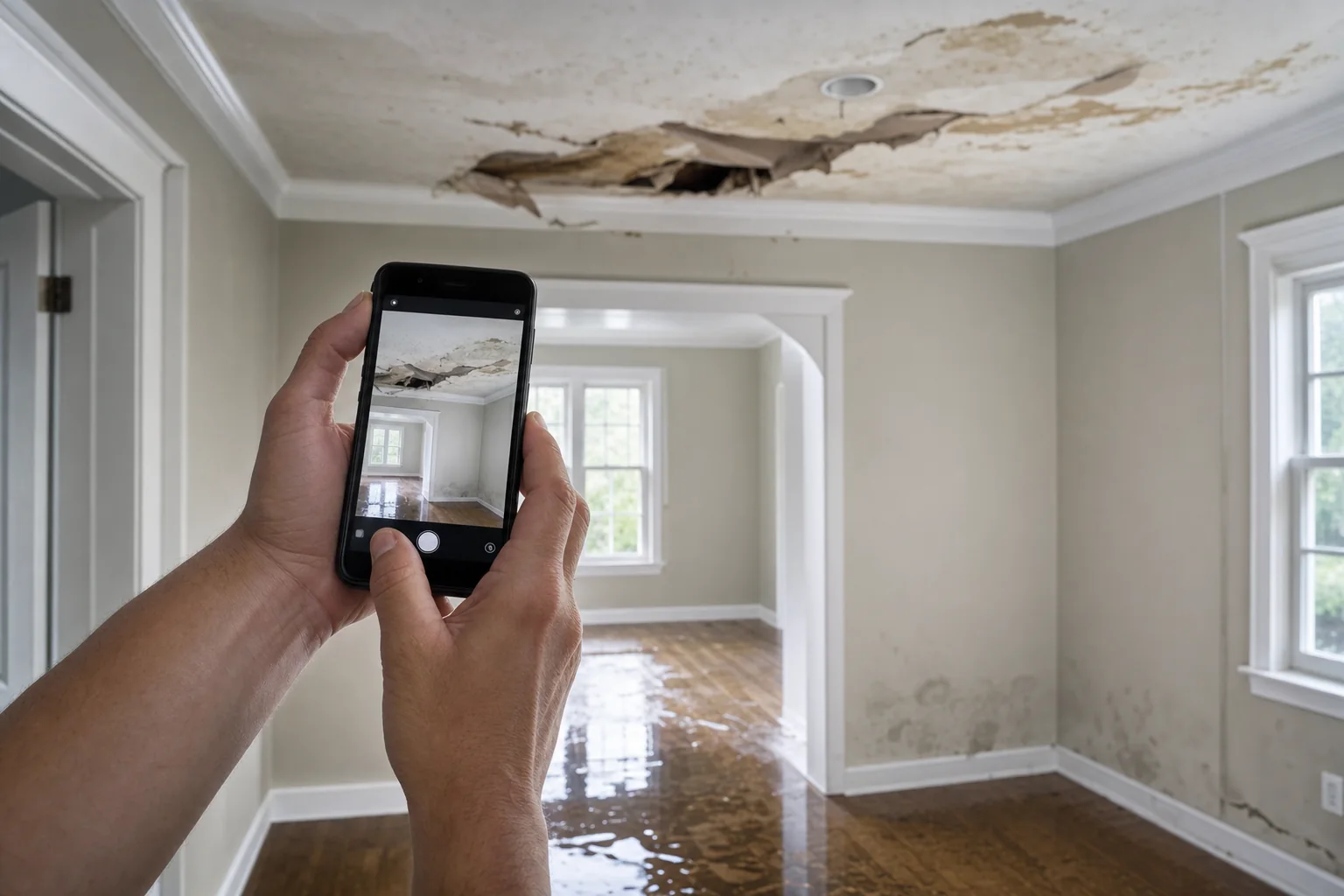
- Water damage from firefighting. Suppression water saturates floors, walls, and ceilings, adding extraction and structural drying to the scope.
- Material types. Hardwood, plaster, custom cabinetry, and natural stone cost more to clean or replace than builder-grade drywall and laminate.
- Structural involvement. Once framing, the roof deck, or load-bearing elements are compromised, you move from cleaning into reconstruction, which is the largest cost category.
- Electrical and plumbing damage. Heat-damaged wiring and melted supply lines must be replaced and inspected, which triggers permits and licensed-trade labor.
- Contents volume. A fully furnished home with extensive belongings adds pack-out, cleaning, and storage costs.
- Response speed. Acidic soot and standing water cause progressive secondary damage, so a fast start genuinely lowers the total.
Repair vs. replace: when does it make sense to rebuild?
One of the most important decisions in a fire loss is whether a given material or system should be cleaned and restored or removed and replaced. Restoration is usually less expensive and faster when it is viable, but pushing to save a material that is too far gone leads to lingering odor, recurring problems, and money wasted twice. Here is how the decision generally breaks down.
| Element | Usually restore when.. | Usually replace when.. |
|---|---|---|
| Drywall & insulation | Light surface soot, no saturation, no charring | Charred, water-saturated, or holding odor in cavities |
| Framing / structural lumber | Surface soot only, structurally sound | Charred, weakened, or load capacity compromised |
| Hardwood flooring | Minor soot, no deep water intrusion | Cupping, warping, or scorching through the finish |
| Cabinetry & millwork | Sealed surfaces, light residue, no warping | Wet smoke saturation, swelling, or heat damage |
| HVAC ductwork | Minimal soot, accessible for cleaning | Heavy soot coating throughout the system |
| Electrical wiring | Outside the affected zone, tested safe | Heat exposure or insulation damage present |
A trustworthy restoration company will lean toward restoration where it genuinely works, because it saves you money and shortens the timeline, while being honest about where replacement is the only safe path. When reconstruction is unavoidable, having one contractor handle both the restoration and the rebuild keeps the project coordinated. AZA Restoration provides full reconstruction services, so the same team that cleans the loss also rebuilds it to code, with no handoff gap between trades.
How does fire damage cost play out in a real Northern Virginia home?
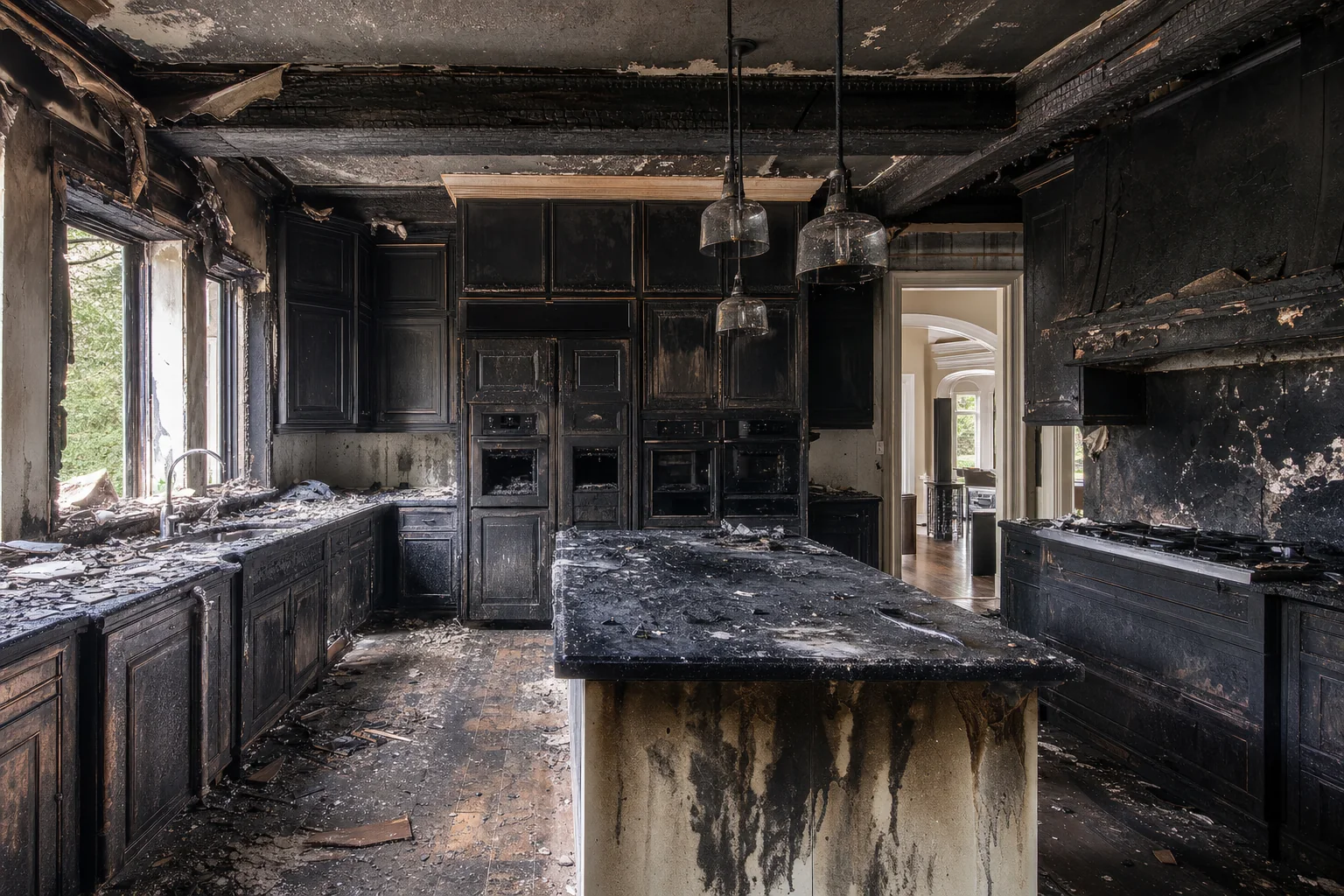
A common scenario across our service area is a kitchen fire. Cooking fires are the leading cause of residential fires nationally, and Northern Virginia homes are no exception. A typical kitchen fire starts contained at the stove, but the resulting protein smoke and grease residue travels through the open floor plans common in newer Loudoun and Prince William construction, while suppression water soaks into cabinetry and subfloor.
In a loss like this, the bill is built from several phases stacking together: emergency board-up if a window or door was breached, soot and protein-residue cleanup across the kitchen and adjacent living areas, deodorization of the whole floor and the HVAC system, drying of water-damaged cabinetry and flooring, and reconstruction of cabinets, countertops, drywall, and flooring to current code. A moderate kitchen fire of this type commonly lands in the $15,000 to $40,000 range once cleanup and rebuild are combined, with custom finishes pushing it higher. Our kitchen fire case study from a Loudoun County home shows how these phases connect on an actual project and how the scope grows beyond the visibly burned area.
How does the Northern Virginia climate and building code affect fire restoration?
Local conditions shape both the work and the cost in ways that out-of-area guides miss. Northern Virginia's humid summers and freeze-thaw winters make the post-fire drying phase critical: firefighting water left in a wall cavity during a warm, humid Fairfax County summer can begin growing mold within 24 to 48 hours, turning a fire claim into a fire-plus-mold claim. Fast, thorough structural drying is not optional here; it is what keeps the loss from compounding.
Permits and the Virginia Uniform Statewide Building Code
Reconstruction after a fire is governed by the Virginia Uniform Statewide Building Code (USBC), which is enforced locally by each county or city building office. Whether you need a permit depends on the scope of work:
- Usually permit-exempt: like-for-like surface repairs and drying, such as replacing drywall and repainting without altering structure, wiring, or plumbing.
- Usually requires a permit: structural framing repair, roof structure rebuilds, electrical rewiring, and plumbing replacement. These are inspected for code compliance.
Permits are issued through the relevant local authority, such as Fairfax County Land Development Services, Loudoun County Building and Development, or the equivalent office in Prince William, Stafford, Fauquier, Arlington, Alexandria, Falls Church, Herndon, Manassas, or Manassas Park. As a Class A licensed and fully insured restoration and general contractor, AZA Restoration pulls the required permits and builds to current code, which protects both your safety and the home's resale value. Skipping permits to save time almost always costs more later, when unpermitted work surfaces during an inspection or a future sale.
How does insurance cover fire damage restoration in Virginia?
Most standard homeowners insurance policies in Virginia cover sudden and accidental fire damage, including the resulting smoke and water damage from suppression. That coverage is exactly why a fire loss should not be paid out of pocket in most cases. Here is how the financial side generally works.
What your policy typically covers
- Dwelling coverage pays to repair or rebuild the structure itself, including framing, drywall, flooring, and finishes damaged by fire, smoke, and water.
- Personal property coverage pays to clean or replace belongings.
- Additional living expenses (ALE) covers temporary housing and related costs if the home is uninhabitable during restoration.
How direct insurance billing reduces your stress
You are responsible for your deductible; the policy generally covers the rest of a covered loss up to your limits. The most useful thing a restoration contractor can do for your wallet during a claim is bill the insurer directly and document the loss thoroughly. AZA Restoration provides direct insurance billing and produces the detailed scope, photos, and moisture and material documentation that adjusters need to approve the full, accurate cost of the work. That documentation is also what prevents a claim from being underpaid because something hidden, like duct contamination or cavity moisture, was never recorded. Keep your own photos, save receipts for temporary lodging and meals, and avoid discarding damaged items until they have been inventoried for the claim.
How can you keep fire restoration costs from climbing higher?
While you cannot change the size of the original fire, several decisions meaningfully affect the final number. The following steps consistently keep a fire loss from growing more expensive than it needs to be:
- Act fast. Acidic soot etches and corrodes daily, and firefighting water breeds mold within 24 to 48 hours. A same-day start limits secondary damage that would otherwise be added to the scope.
- Do not run the HVAC. Operating the heating or cooling system after a fire spreads soot through the entire home, dramatically expanding the cleanup area.
- Do not attempt DIY cleaning of soot. Wiping soot incorrectly can grind residue deeper into surfaces, turning a cleanable item into a replaceable one.
- Use one contractor for cleanup and rebuild. A single team that handles restoration through reconstruction avoids the cost and delay of coordinating separate companies.
- Document everything for insurance. Thorough documentation gets the full scope approved and prevents underpayment.
- Address moisture before rebuilding. Confirming the structure is dry before closing up walls avoids a second, costlier mold remediation later.
Following these steps does not just save money; it shortens the time your household is displaced.
Frequently Asked Questions
How much does fire damage restoration cost in Northern Virginia?
Fire damage restoration in Northern Virginia typically ranges from about $3,000 for contained soot and smoke cleanup to $50,000 or more for a fire requiring full reconstruction. Most moderate residential fires, such as a contained kitchen fire with smoke spread, fall in the $10,000 to $40,000 range once cleanup, deodorization, drying, and rebuild are combined. The final cost depends on smoke migration, water damage from firefighting, material types, and whether structural, electrical, or plumbing systems were affected.
Does homeowners insurance cover fire damage restoration?
Yes. Most standard homeowners insurance policies in Virginia cover sudden and accidental fire damage, including the resulting smoke and water damage from firefighting efforts. Coverage usually includes the structure (dwelling), belongings (personal property), and temporary housing (additional living expenses) while the home is uninhabitable. You pay your deductible, and the policy covers the rest of a covered loss up to your limits. AZA Restoration bills insurance directly and documents the loss to help your claim get approved at its full value.
How long does fire damage restoration take?
Cleanup and deodorization for a contained loss generally take a few days to about a week, while reconstruction can take several weeks to a few months depending on scope. Structural drying of firefighting water typically runs 3 to 5 days and must finish before rebuilding begins. A small smoke-only event may resolve in under a week, while a major loss requiring framing repair, rewiring, and finish work extends into months. A clear schedule is provided after the on-site assessment.
Is it cheaper to repair or replace materials after a fire?
Restoration is usually cheaper and faster than replacement when a material is structurally sound and only lightly affected by soot or smoke. Drywall with light surface soot, sound framing, and sealed cabinetry can often be cleaned and saved. Replacement becomes the better choice when materials are charred, water-saturated, warped, or holding odor in cavities, because cleaning them anyway leads to lingering smell and repeat repairs. A reputable contractor recommends restoration wherever it genuinely works and replacement only where it is necessary for safety or results.
Do I need a permit to rebuild after a fire in Northern Virginia?
It depends on the scope. Like-for-like surface repairs, such as replacing drywall and repainting without altering structure, wiring, or plumbing, are usually permit-exempt. Structural framing repair, roof rebuilds, electrical rewiring, and plumbing replacement generally require a permit under the Virginia Uniform Statewide Building Code, issued by the local county or city building office such as Fairfax County Land Development Services. AZA Restoration pulls the required permits and rebuilds to current code as part of the reconstruction process.
What should I do immediately after a house fire?
Once the fire department confirms the home is safe to enter, do not run the HVAC system, do not attempt to wipe soot yourself, and avoid discarding damaged items before they are documented for insurance. Contact your insurer to open a claim and call a restoration contractor to secure the property and start mitigation quickly, since acidic soot and standing water cause progressive damage every hour. Fast professional response is the single most effective way to limit both cost and displacement time.
One call rebuilds it all. When fire strikes your home in Fairfax, Loudoun, Prince William, Stafford, Fauquier, or Arlington, AZA Restoration responds 24/7 with a guaranteed 90-minute on-site arrival, direct insurance billing, and the Class A licensed crews to take you from emergency cleanup all the way through permitted reconstruction. Call (571) 506-6668 now and let one team rebuild it all.