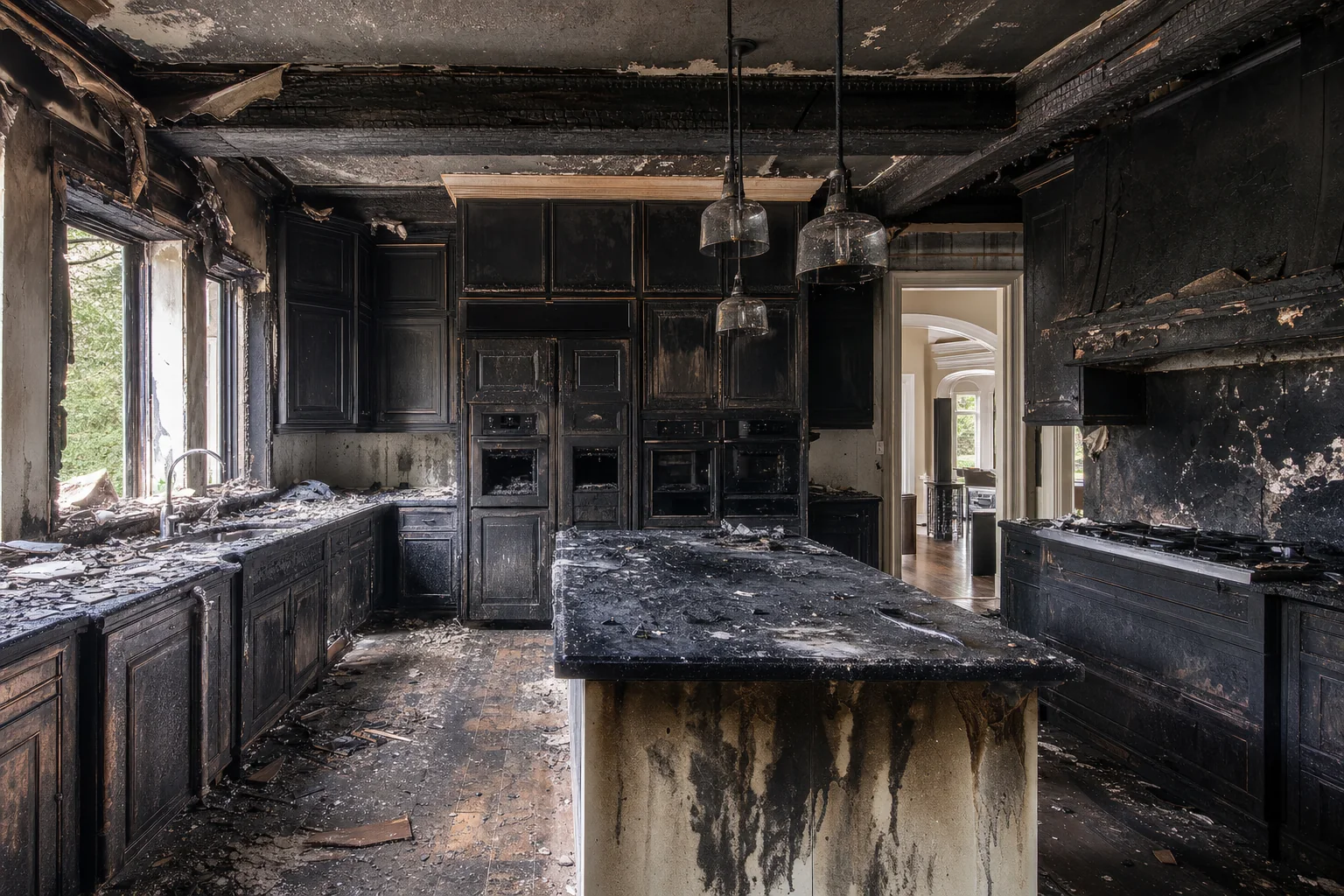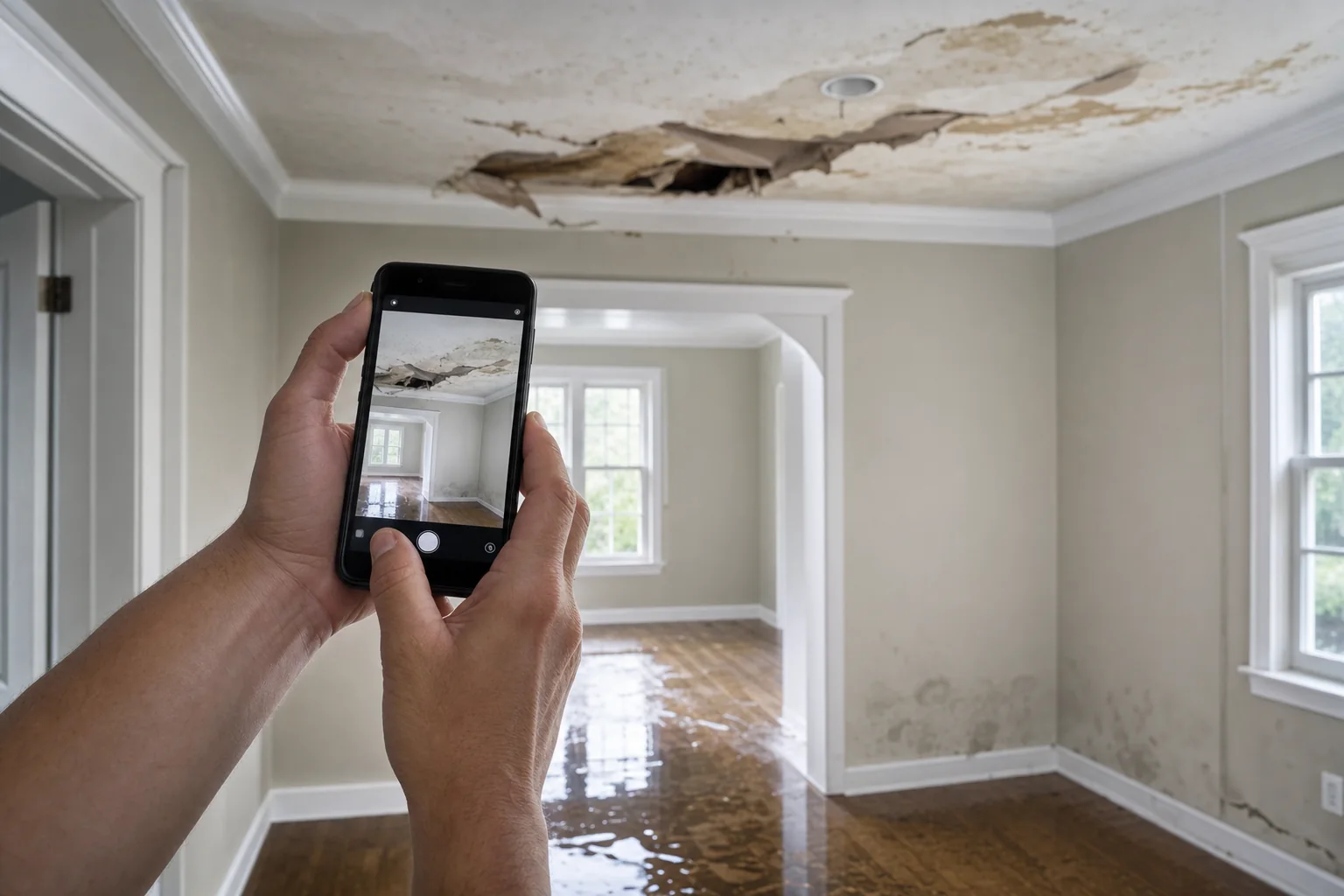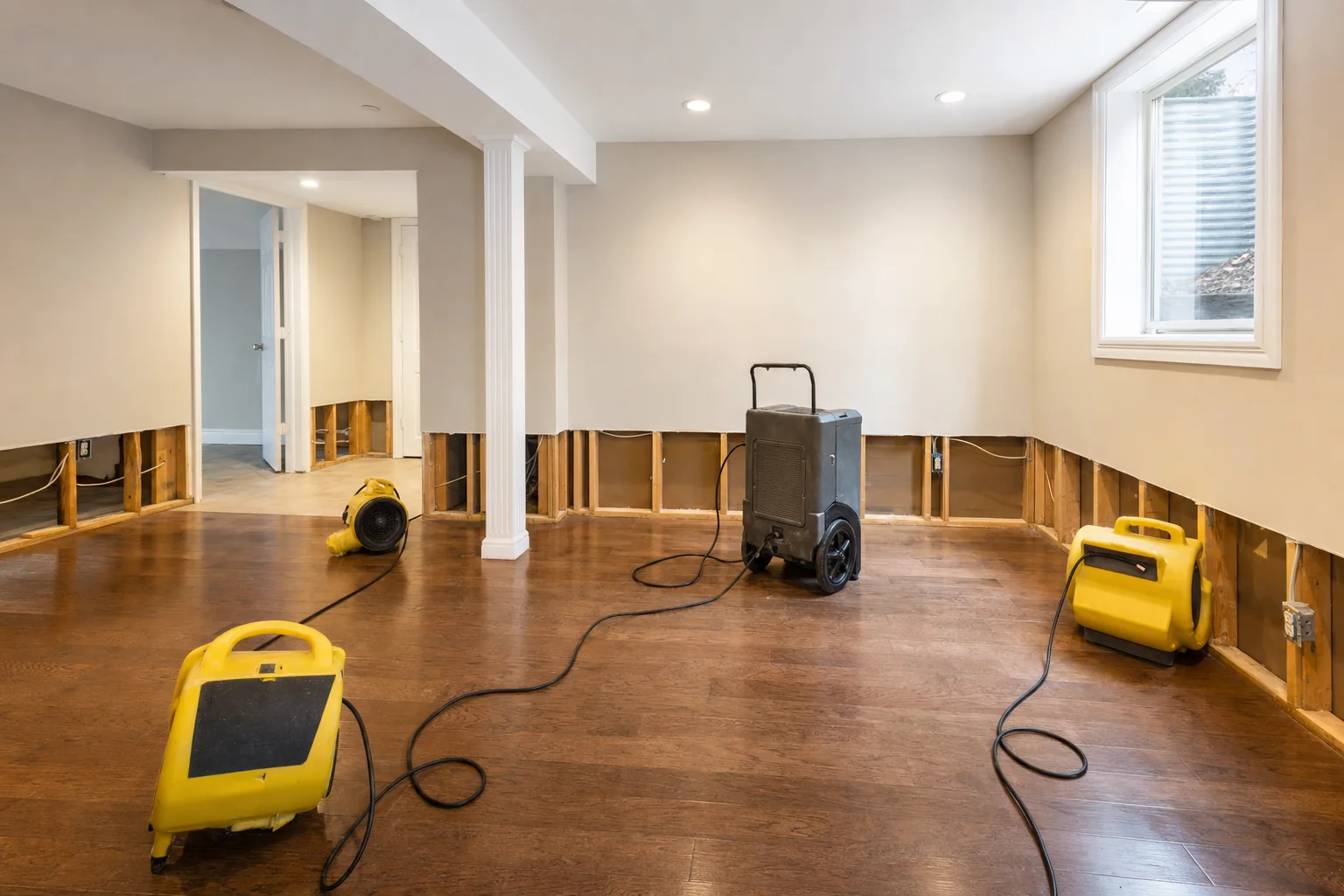
Water damage restoration in Northern Virginia typically costs between $1,200 and $5,500 for a localized, single-room event, and $8,000 to $25,000 or more for a major or whole-home loss. The final price depends on how much water entered, where it spread, whether it was clean or contaminated, and how long it sat before drying began. Most homeowners in Fairfax, Loudoun, Prince William, and the surrounding counties land somewhere in the middle of that range, and a large share of the bill is frequently covered by homeowners insurance when the cause is sudden and accidental. This 2026 guide breaks down exactly what drives the water damage restoration cost in Northern Virginia, what your insurance will and will not pay, and how local building codes and watersheds affect your project.
At AZA Restoration, we have walked thousands of Northern Virginia homeowners through this exact question. Below, we explain the numbers the way an experienced restoration contractor explains them on a kitchen table: honestly, with ranges instead of empty promises, and with the local context that national price calculators simply miss.
What Is the Average Water Damage Restoration Cost in Northern Virginia?
For a typical Northern Virginia home, expect to pay $3,000 to $6,000 for a moderate water damage event, such as a burst supply line under a sink, a failed water heater, or a slow leak discovered behind a wall. Small, quickly caught incidents can come in under $1,500, while major losses that soak multiple rooms, ceilings, or finished basements routinely climb past $15,000 once drying, demolition, and reconstruction are added together.
It helps to think of the total in two phases. The first phase is mitigation and drying, the emergency work that stops the damage from spreading and removes moisture. The second phase is restoration and reconstruction, the rebuilding that returns your home to its pre-loss condition. A clean, fast-dried event may end after phase one. A flooded basement with ruined drywall, baseboards, and flooring requires both.
Typical Water Damage Cost Ranges by Severity
| Severity / Scenario | Typical Cost Range | Typical Timeline |
|---|---|---|
| Localized, single room (clean water) | $1,200 – $5,500 | 3 – 5 days drying |
| Major or whole-home water damage | $8,000 – $25,000+ | 1 – 3+ weeks with rebuild |
| Flood damage (groundwater / storm surge) | $3,000 – $15,000+ | 5 – 10 days cleanup & dry |
| Mold remediation (when discovered) | $500 – $6,000 ($10,000+ if hidden/widespread) | 1 – 5 days |
| Full reconstruction (single room to major rebuild) | $10,000 – $100,000+ | Weeks, varies by scope |
These are typical market ranges for the Northern Virginia region, not fixed quotes. The only way to know your real number is an on-site assessment with moisture readings, which is why reputable contractors inspect before pricing. Beware of any company that quotes a flat figure over the phone without seeing the loss.
What Factors Determine Your Water Damage Restoration Cost?
Two homes with "the same leak" can produce wildly different bills. The variables below are what push a project toward the low or high end of the range.
1. Water Category: Clean, Gray, or Black
The single biggest cost driver is what kind of water you are dealing with. Restoration specialists classify water into three categories:
- Category 1 (clean water): from a broken supply line, overflowing tub, or burst pipe. Cheapest to handle because materials can often be dried in place rather than removed.
- Category 2 (gray water): from a dishwasher, washing machine, or sump pump failure. Contains contaminants and usually requires removing some porous materials.
- Category 3 (black water): from sewage backups, toilet overflows, or rising floodwater. The most expensive because nearly all soaked porous materials, including drywall, carpet, and padding, must be removed and the area disinfected as a.
A Category 3 event can cost two to three times more than the same volume of Category 1 water because of the added demolition, disposal, and flood damage restoration and disinfection work involved.
2. Size of the Affected Area and How Far Water Traveled
Water follows gravity and wicks sideways into walls. A leak that looks like a 10-square-foot puddle on the floor may have already traveled up six inches of drywall, under cabinets, and into the subfloor of the room below. The square footage that is actually wet, not just visibly wet, sets the price. This is why moisture meters and thermal imaging matter: they reveal the true footprint so you pay to dry what is wet and not a penny more.
3. How Long the Water Sat Before Drying Began
Time is the most expensive variable you can control. Drywall and framing that are dried within 24 to 48 hours can often be saved. After 48 to 72 hours, mold colonies begin to establish, and materials that could have been dried now must be removed and replaced. This single factor can double a bill. It is also why every hour you wait to call increases your cost, and why our guaranteed 90-minute on-site arrival across Northern Virginia exists.
4. Materials Affected
Hardwood flooring, solid-surface cabinetry, plaster, and custom millwork cost far more to restore or replace than builder-grade carpet and drywall. Finished basements, common in Northern Virginia's split-level and colonial housing stock, raise costs because they combine flooring, drywall, trim, and often HVAC components in one soaked space.
5. Equipment and Labor
Professional drying uses commercial air movers, dehumidifiers, and air scrubbers running around the clock, frequently for three to five days. Larger losses need more equipment and daily monitoring visits. The labor to extract, demo, dry, monitor, and document is the backbone of the mitigation invoice.
Standing water spreads by the hour. Call AZA Restoration now at (571) 506-6668 for 24/7 emergency response with guaranteed 90-minute on-site arrival across Northern Virginia. We bill your insurance directly so you can focus on your family, not paperwork.
How Much Does Each Stage of Water Damage Restoration Cost?
Breaking the project into its real stages helps you read an estimate and understand where your money goes. Here is the typical sequence and what each step contributes to the total.
- Emergency response and inspection: Often included with mitigation. Crews stop the water source and document the loss for your insurer.
- Water extraction: Removing standing water with truck-mounted and portable units. A core part of water extraction and drying service and one of the first line items.
- Structural drying and dehumidification: Air movers and dehumidifiers run for several days. Typically the largest mitigation line item.
- Demolition of unsalvageable materials: Removing soaked drywall, insulation, carpet, and padding when drying in place is not viable.
- Cleaning, sanitizing, and deodorizing: Essential for gray and black water; antimicrobial treatment prevents mold.
- Reconstruction: Rebuilding drywall, paint, trim, flooring, and cabinetry to pre-loss condition.
Repair vs. Replace: When Drying Beats Demolition
Homeowners often assume everything wet must be torn out. That is not true, and a good contractor will fight to save what can be saved because it keeps your bill down and your home intact. The general rule:
| Material | Usually Repairable (Dry in Place) | Usually Replace |
|---|---|---|
| Drywall | Caught within 24–48 hrs, clean water, no swelling | Saturated, swollen, or gray/black water exposure |
| Hardwood flooring | Surface moisture, dried quickly with mats | Cupping/buckling that does not flatten after drying |
| Carpet | Clean water, dried fast (pad often replaced) | Any contaminated water exposure |
| Insulation | Rarely — fiberglass loses R-value when wet | Almost always when saturated |
| Cabinetry | Solid wood, dried and sealed promptly | Particleboard/MDF that swelled |
Choosing to dry rather than demolish, when it is safe to do so, is one of the most effective ways to keep your water damage restoration cost in Northern Virginia under control. The trade-off is monitoring: dried-in-place materials must be verified dry with meters before walls are closed up.
Does Homeowners Insurance Cover Water Damage in Virginia?
In most cases, yes, Virginia homeowners insurance covers water damage when the cause is sudden and accidental, such as a burst pipe, a failed water heater, an overflowing appliance, or a roof breach from a storm. Insurance generally does not cover damage from gradual leaks, lack of maintenance, or surface flooding from outside the home. That last distinction matters enormously in Northern Virginia.
The Flood Exclusion Most Homeowners Miss
Standard homeowners policies exclude flood, defined as rising surface water from outside, including overflowing creeks, storm surge, and saturated ground entering a basement. That coverage comes only from a separate flood insurance policy, typically through the National Flood Insurance Program (NFIP). Northern Virginia has substantial floodplain acreage along the Potomac, Occoquan, Bull Run, and Accotink watersheds, and homes near these areas should confirm whether they carry flood coverage before a storm, not after.
Sewage and Sump Pump Backups
Sewer and sump pump backups are usually excluded from standard policies unless you have purchased a specific water backup endorsement. Given how many Northern Virginia homes rely on sump pumps to keep basements dry, this is an endorsement worth asking your agent about.
How Direct Insurance Billing Works
One of the biggest stresses of a water loss is the claims process. As a contractor that offers direct insurance billing, AZA Restoration documents the loss with photos, moisture maps, and detailed scope, communicates with your adjuster, and bills the carrier directly for covered work, so in many cases you are responsible only for your deductible. We work with all major carriers and write estimates in the same industry-standard format adjusters use, which speeds approval and reduces back-and-forth.
What Does Water Damage Restoration Cost by Northern Virginia County?
Costs do not change dramatically across county lines, but a few local factors influence the final number and the process. Labor and disposal rates run slightly higher in the inner suburbs closer to Arlington and Alexandria, and permit requirements and turnaround vary by jurisdiction.
- Fairfax County: The region's largest housing market, with a heavy mix of finished basements and older homes. Permits run through Fairfax County Land Development Services. See our Fairfax water damage restoration service area for local detail.
- Loudoun County: Rapid newer construction plus rural well-and-septic properties; sump pump and basement losses are common.
- Prince William County: Mix of older Manassas-area homes and newer subdivisions; storm-related water intrusion is frequent.
- Stafford, Fauquier, and Arlington: Range from rural acreage to dense urban condos, each with its own access and code considerations.
Local Climate and Watershed Risk
Northern Virginia's humid summers, freeze-thaw winters, and intense seasonal thunderstorms create a year-round water risk profile. Winter brings frozen and burst pipes; spring and summer bring flash-flood downpours and saturated soil that pushes water through foundation cracks and overwhelms sump pumps. Homes in the lower elevations of the Potomac and Occoquan watersheds carry elevated flood exposure. This local pattern is exactly why fast response, proper drying, and mold prevention are not optional add-ons here, they are the core of doing the job right.
Northern Virginia Permits and the USBC
Whether your project needs a permit depends on its scope under the Virginia Uniform Statewide Building Code (USBC). Like-for-like drying and surface repairs, such as replacing drywall, paint, and trim in the same configuration, are usually exempt. However, structural repairs, electrical work, and plumbing rebuilds require a permit issued by your county or city building office, for example Fairfax County Land Development Services. AZA Restoration pulls all required permits and builds to code, so your rebuilt space passes inspection and protects your home's value at resale.
How Can You Reduce Your Water Damage Restoration Cost?
You cannot control that a pipe burst, but you can control how much it ultimately costs. The steps below genuinely move the number.
- Shut off the water immediately. Know where your main shutoff valve is before an emergency. Stopping the source is the first dollar saved.
- Call a restoration contractor fast. Drying within 24–48 hours is the difference between repairable and replaceable. Speed is the cheapest variable.
- Document everything for your insurer. Photograph and video the damage before cleanup begins; it protects your claim.
- Do not run fans and walk away. Household fans push moisture into wall cavities and can spread contamination. Professional drying is engineered and monitored.
- Address the cause, not just the symptom. Fixing the failed valve or grading the soil prevents a repeat loss, and repeat claims raise premiums.
- Choose a contractor who can do mitigation and reconstruction. A single firm handling both phases avoids the gap, finger-pointing, and markup of juggling multiple companies.
A Real-World Northern Virginia Example
Consider a finished basement flood in a single-family home, a scenario we see constantly across the region. A sump pump fails during a summer storm, water rises across the floor, and drywall wicks moisture up the lower walls. Caught quickly, the work involves extraction, several days of structural drying, removing the bottom two feet of drywall and the carpet pad, antimicrobial treatment, and reconstruction of drywall, trim, and flooring. You can see how we handle this exact situation in our Burke single-family basement flood case study, which walks through the timeline and scope from first call to final walkthrough.
Why Fast, Professional Restoration Saves Money
It is tempting to treat a small leak as a DIY mop-up job. The hidden danger is the moisture you cannot see, inside wall cavities, under flooring, and above ceilings, where it quietly feeds mold and rots framing. A loss that could have been a $2,500 dry-out becomes a $12,000 mold and reconstruction project months later. Professional restoration is not just labor; it is the moisture science, commercial equipment, and documentation that protect both your home and your insurance claim.
Trained restoration specialists also know how to write a scope an adjuster will approve, how to test for hidden moisture, and how to rebuild to current code. That expertise is what stands between a clean recovery and a recurring problem. When you handle water damage correctly the first time, you pay once, not twice.
One call rebuilds it all. Whether it is a burst pipe at 2 a.m. or a flooded basement after a storm, AZA Restoration responds 24/7 with guaranteed 90-minute on-site arrival across Northern Virginia, direct insurance billing, and full mitigation-through-reconstruction service under one roof. Call (571) 506-6668 now or email info@azarestoration.com to get a crew rolling. As a Class A licensed and fully insured restoration and general contractor, we handle the water, the rebuild, and the paperwork.
Frequently Asked Questions
How much does water damage restoration cost in Northern Virginia on average?
A typical moderate water damage event in Northern Virginia costs between $3,000 and $6,000, while localized single-room losses can run as low as $1,200 and major or whole-home losses commonly exceed $8,000 to $25,000 once reconstruction is included. The exact cost depends on the water category, the size of the affected area, the materials involved, and how quickly drying began. An on-site moisture assessment is the only way to get an accurate figure.
Will homeowners insurance pay for water damage in Virginia?
In most cases, yes, if the water damage was sudden and accidental, such as a burst pipe, failed water heater, or storm-driven roof leak. Standard policies typically exclude gradual leaks, poor maintenance, and surface flooding from outside the home. Flooding requires separate flood insurance, and sewer or sump pump backups usually require a specific endorsement. AZA Restoration offers direct insurance billing and documents the loss to support your claim.
How long does water damage restoration take?
Structural drying typically takes three to five days for a standard loss, during which commercial air movers and dehumidifiers run continuously and are monitored daily. If reconstruction is needed, rebuilding drywall, flooring, and finishes can add anywhere from several days to a few weeks depending on the scope. Contaminated water and larger floods extend the timeline. The faster the response, the shorter the overall project.
Is it cheaper to dry materials or replace them?
Drying materials in place is almost always cheaper than removing and replacing them, which is why fast response matters so much. Drywall and hardwood caught within 24 to 48 hours of clean-water exposure can often be saved, while saturated, swollen, or contaminated materials must be removed. After 48 to 72 hours, mold risk rises and more materials require replacement, which increases both cost and timeline.
Do I need a permit to repair water damage in Northern Virginia?
Like-for-like drying and surface repairs, such as replacing drywall, paint, and trim in the same configuration, are usually exempt from permits. However, structural, electrical, or plumbing rebuilds require a permit under the Virginia Uniform Statewide Building Code, issued by your county or city building office such as Fairfax County Land Development Services. AZA Restoration pulls all required permits and rebuilds to code as a Class A licensed and fully insured general contractor.
What should I do first when I discover water damage?
Shut off the water source if you safely can, then move valuables out of the affected area and photograph everything for your insurance claim. Avoid using household fans, which can spread moisture and contamination into wall cavities. Call a professional restoration contractor immediately, because drying within the first 24 to 48 hours is the single biggest factor in keeping costs down. AZA Restoration answers 24/7 at (571) 506-6668 with guaranteed 90-minute on-site arrival.